| |
Welcome to the MEMENTOES newsletter:Game development edition | |
MEMENTOES is a collaboration between museum professionals, video game developers, and research centres which aims to combine the educational and empathy-building impacts of historical museums with the global reach and entertaining format of video games. | |
This is a special edition of the newsletter, giving readers an inside look at the game development process of Gulag Diaries, a collaboration between ICS-FORTH and Gulag.cz. Gulag Diaries is a first-person environmental narrative game in which players form part of an exhibition team exploring the ruins of a gulag camp in the Siberian taiga, where they are confronted with the experiences of victims of the Soviet regime. Read on for an overview of the game and interviews with its creators. | |
Were you forwarded this newsletter? Subscribe below. | |
| |
| |
| |
Meet the Creators: Gulag Diaries | |
MEMENTOES is a years-long collaboration bringing together organisations from very different sectors who haven’t worked together before. So, how does it work? Below are excerpts from interviews with Kostas Apostolakis from ICS-FORTH and Petra Burová from Gulag.cz about the process of developing their game, Gulag Diaries, and the significance of the project to their work. | |
| |
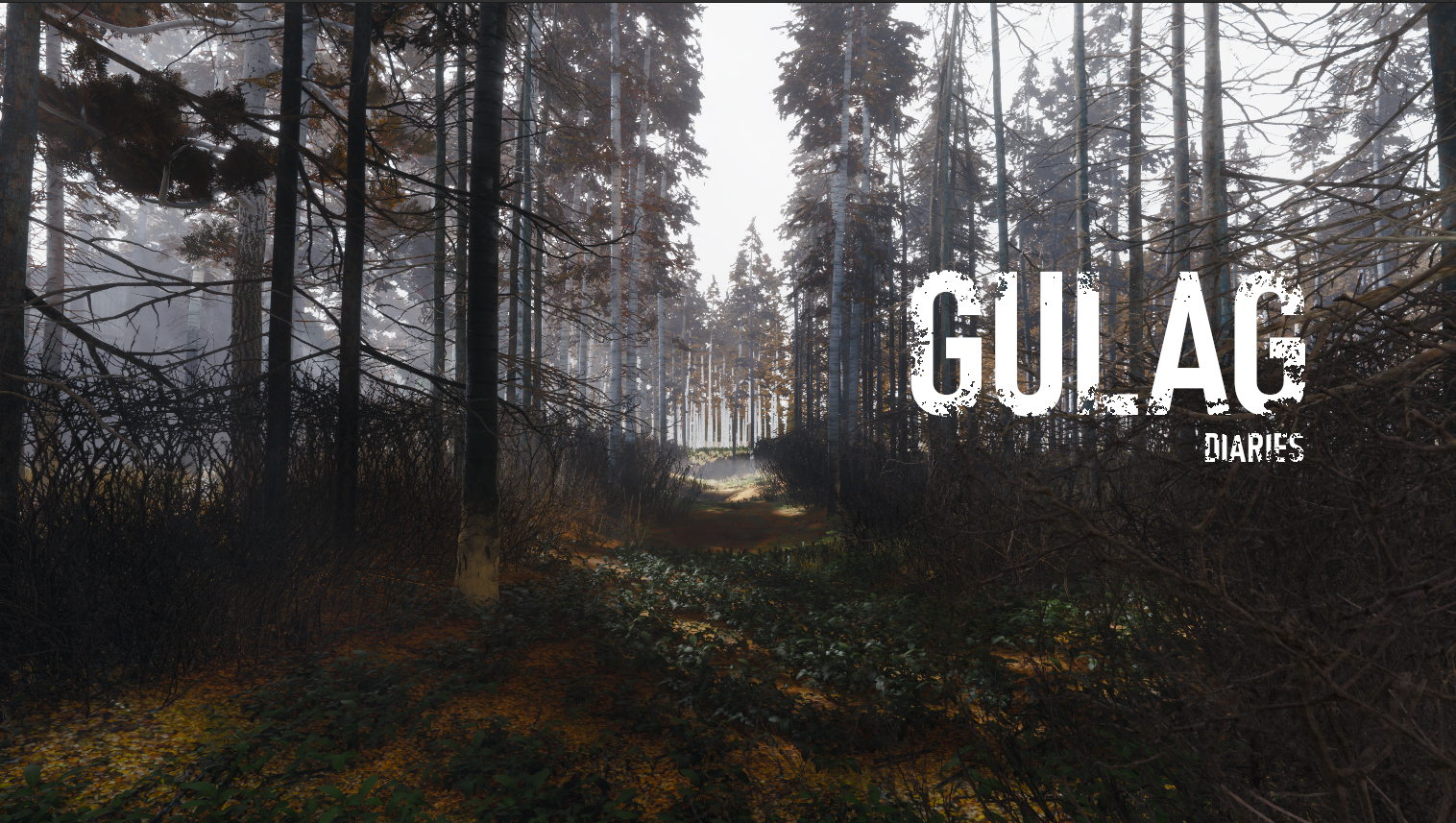
A draft image of the introductory screen to Gulag Diaries | |
Kostas Apostolakis, ICS-FORTH As the technical managers and designers of the project, what inspired you to pursue this work? You can find games today that thoughtfully explore very serious issues, resonate with their audiences, and make you learn without noticing that you are learning. Some of these games achieve similar impacts to museums, telling the stories of marginalised people, highlighting similarities to today’s societal issues, and achieving educational outcomes. Through the medium of video games, we can help the museums involved in MEMENTOES achieve their goals while getting their message across to more people, including audiences who cannot visit the museum in person. How do you approach making a game from such sensitive material? First and foremost, you have to consult experts…It is also important to focus on the human aspect, especially in games that rely on decision-making—as a storyteller, your task isn’t to judge or take sides, but to put together a story that simulates the characters’ predicaments, relationships, and emotions, and give agency to players to grasp what it must have felt like to live these specific experiences. What’s the biggest challenge you’ve faced developing this game so far? The subject matter is quite difficult to work with…It is not easy to put yourself, or anyone else for that matter, in their shoes—and to make an ‘enjoyable’ experience out of it to boot. Treating people and their stories with the respect that they deserve is our principal concern—and one that, if executed properly, will also be the most rewarding.
| |
Petra Burová, Gulag.cz You have a long track record of using digital media to spread your message. Why is that important to your work? We strongly believe in the benefits of using modern technologies in teaching and education...difficult topics, such as the issue of Soviet repression, are more easily accessible when modern digital technologies are used. In one of our latest projects, we’re creating teaching materials for secondary schools which approach the topic of the Gulag using augmented and virtual reality. The feedback has been very positive, and this is boosting our confidence in the potential of the Gulag Diaries game.
How do you navigate providing such sensitive material to a game developer? It’s definitely a big challenge. In Gulag Diaries, we work with sensitive topics such as the loss of personal freedom, humiliation, rape, or facing a child’s death…We are working with computer games, which are expected by their nature to be entertaining and attractive—not terms one would associate with the topics listed above. We have agreed with our partners that such sensitive material should not be depicted explicitly in the game. So we are depicting difficult topics in fragments of memories, in hints. What can these types of partnerships do for museums? It extends your target audience to people who wouldn’t normally interact with your work. It can also be inspiring for museum professionals to see how serious topics can be handled within the framework of digital technologies…and lead to the co-production of new approaches to memorialisation and storytelling. | | | |
To read the full interview, head to our website at the link below. | |
| |
| |
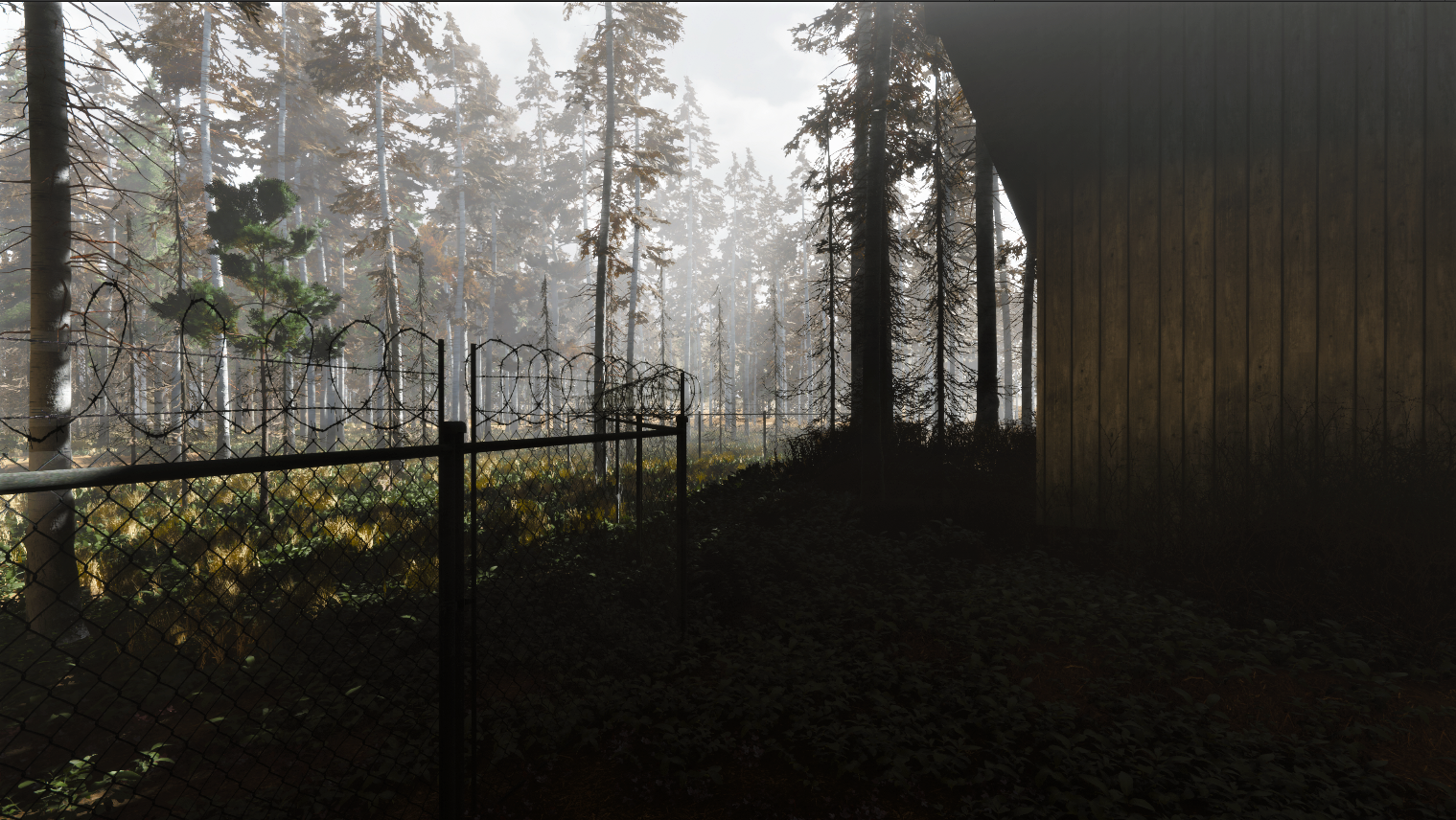
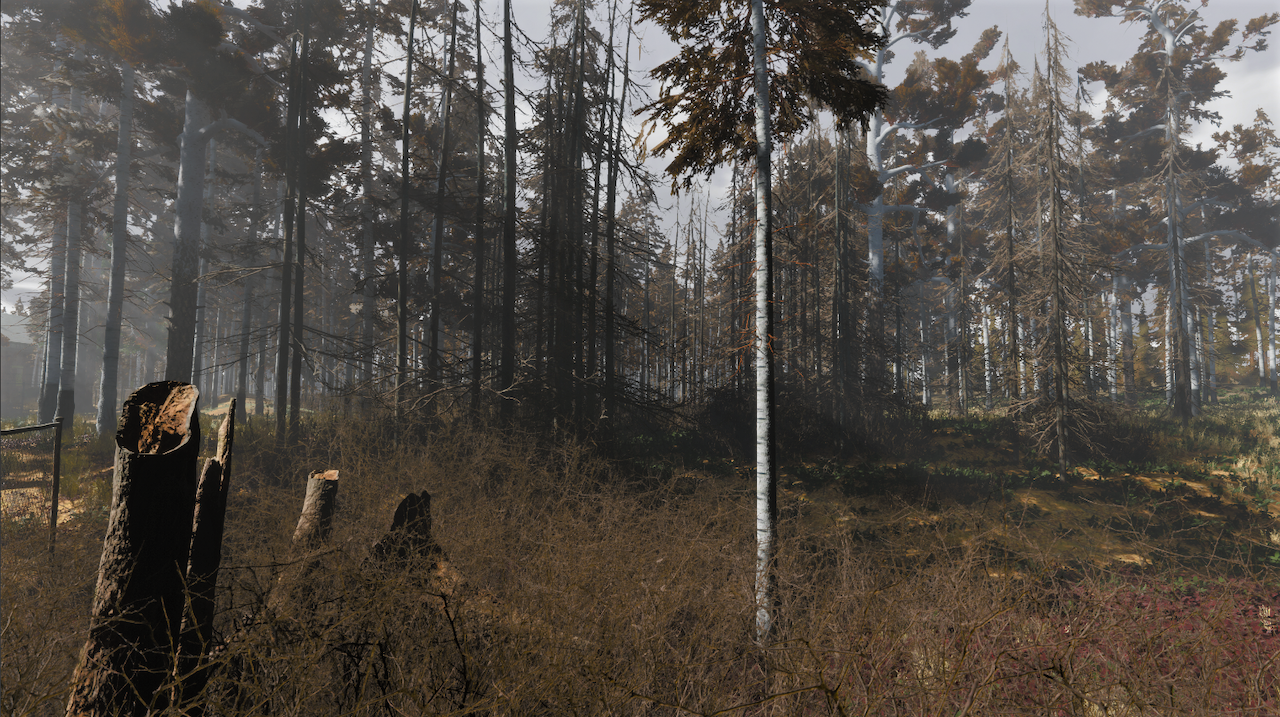
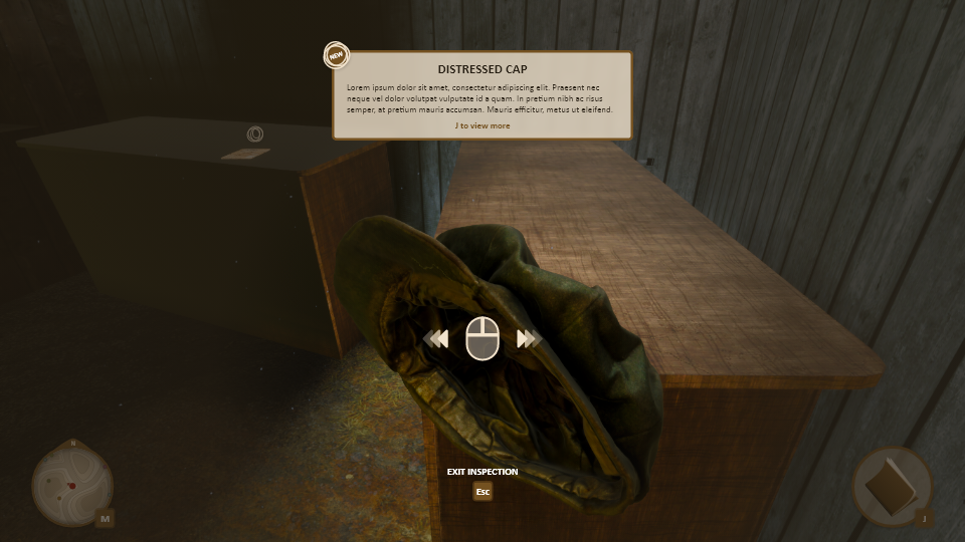
Below are some prototypes from the Gulag Diaries production team. Please note that these are works in progress which will change throughout the development process. | |
| |
Draft images of the environment players will explore. | |
| |
A prototype of objects players will interact with, based on real items found during Gulag.cz’s expeditions to the ruins of gulags. | |
Learn more about Gulag Diaries | |
Click the link below for a preliminary Game Design Document outlining the storytelling and game mechanics of Gulag Diaries. | |
| |
| |
| |
| |
History education can re-shape the ways people perceive modern-day social issues. But, as our colleagues from ICS-FORTH argue in a recent blog, this education is only effective if it focuses on developing historical awareness, rather than rote memorisation of historical dates and names. Recent studies indicate that video games can be effective tools in cultivating historical awareness, due to their immersive qualities. Such games can "facilitate a more critical understanding of ongoing social issues...[which] can strengthen the social fabric at a time when it is threatened by misinformation and exclusionary politics." | |
| |
| |
On 19th October, MEMENTOES hosted a workshop and two panel discussions at the Central and Eastern European Games Studies (CEEGS) conference. The workshop was titled “Video games, history, and museums: Challenges and opportunities for collaborative development,” and discussions focused largely on the ethics of using real-life stories and traumatic historical events in game design. Read the article below for a full summary of the event. | |
| |
| |
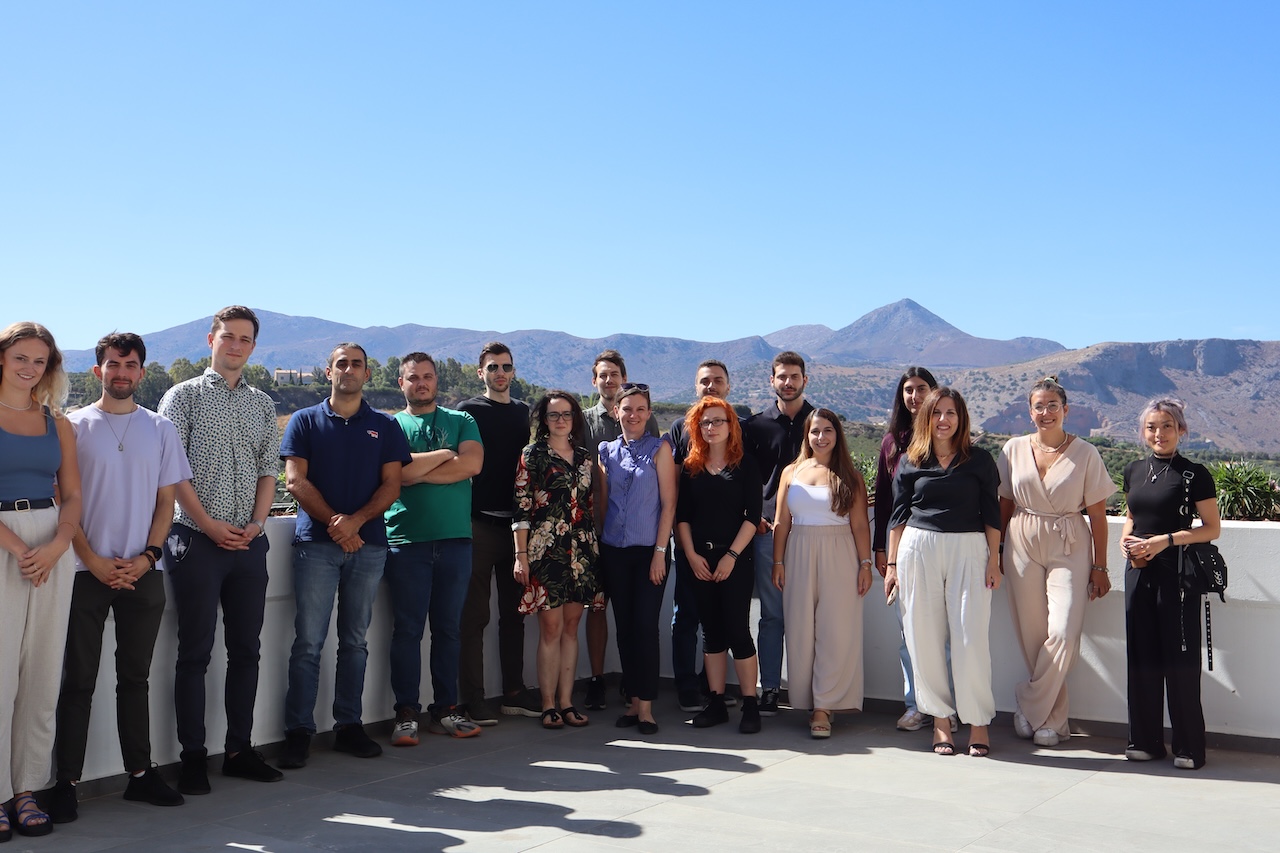
The MEMENTOES consortium at the plenary meeting in Heraklion, Greece | |
In September, the MEMENTOES consortium met at ICS-FORTH headquarters in Heraklion, Greece. Over three days, the group discussed challenges and milestones in game development, accessibility in game design, evaluating the MEMENTOES games, and more. Head to the blog below to read more. | |
| |
| |
| |
| |
| |
This project has received funding from the European Research Executive Agency under grant agreement No 101061496. | | | |
| |
Funded by the European Union. Views and opinions expressed are however those of the author(s) only and do not necessarily reflect those of the European Union of the European Research Executive Agency. Neither the European Union nor the granting authority can be held responsible for them.
| |
You are receiving this newsletter because you have expressed interest in the project (informed consent, GDPR Art. 6.1.a) or because you work in a field related to the topics covered by the project (legitimate interest, GDPR Art. 6.1.f). If you no longer want to receive these emails, update your preferences or unsubscribe from this mailing list.
| |
| |