| |
Welcome to the MEMENTOES newsletter:Game development edition | |
MEMENTOES is a collaboration between museum professionals, video game developers, and research centres which aims to combine the educational and empathy-building impacts of historical museums with the global reach and entertaining format of video games. | |
This is a special edition of the newsletter giving readers an inside look at the game development process of Those from Below, a collaboration between Causa Creations and Le Bois du Cazier. Those from Below is a VR game in which players see through the eyes of an Italian miner in Belgium, exploring the mines and themes of migrant labour, unsafe work conditions, and life above and below ground for the victims of the 1956 Marcinelle mining disaster. Read on for an overview of the game and interviews with its creators. | |
Don't forget to follow us for ongoing updates about our research, game development, and other outputs. | |
Were you forwarded this newsletter? Subscribe below. | |
| |
| |
| |
Meet the Creators: Those from Below | |
MEMENTOES is a three year-long project bringing together organisations from very different sectors who haven’t worked together before. So, how does it work? Below are excerpts from interviews with Ben Wahl from Causa Creations and Emilie Divoy from Le Bois du Cazier about the process of developing their game, Those from Below, and the significance of the project to their work. | |
| |
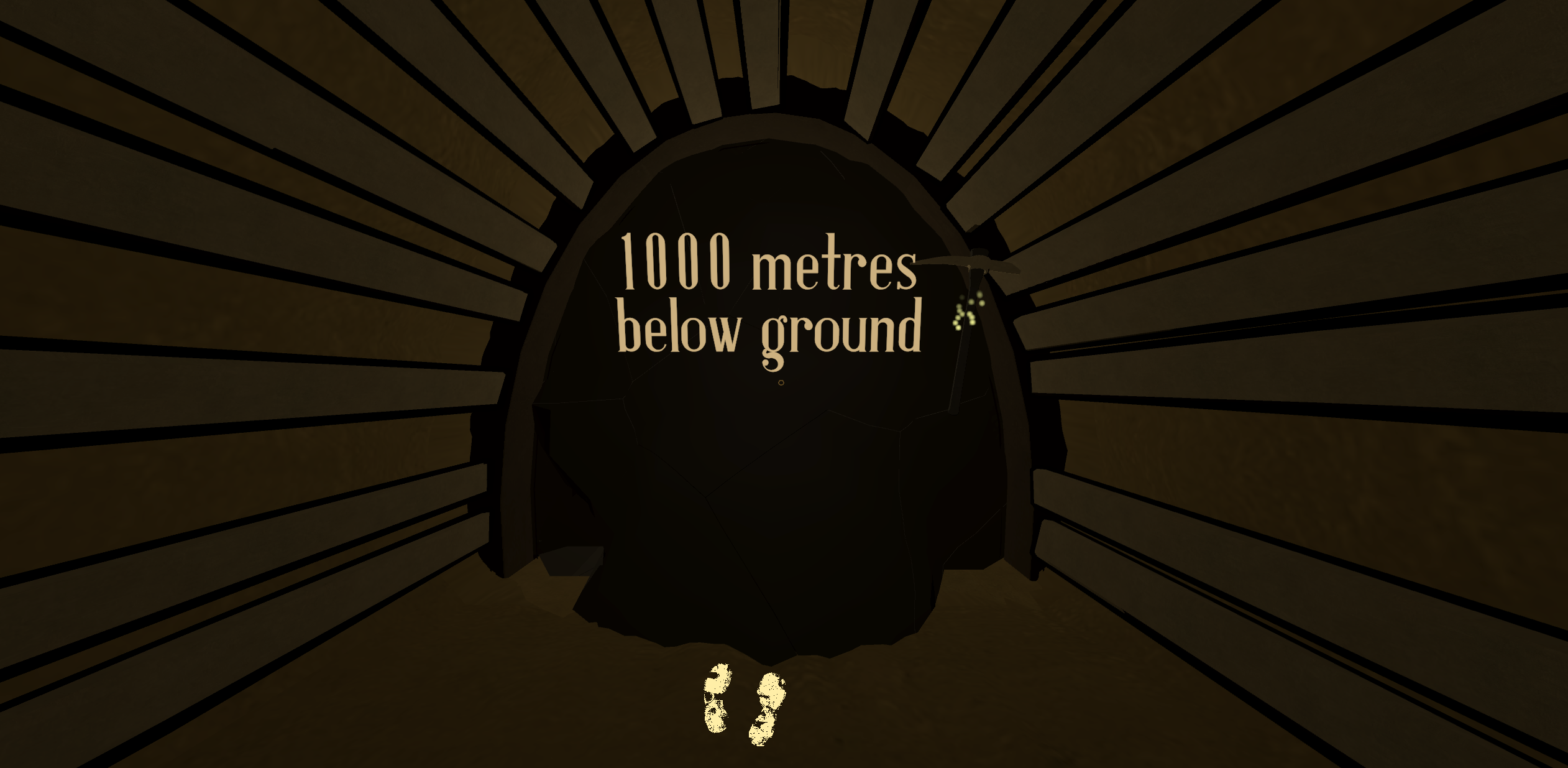
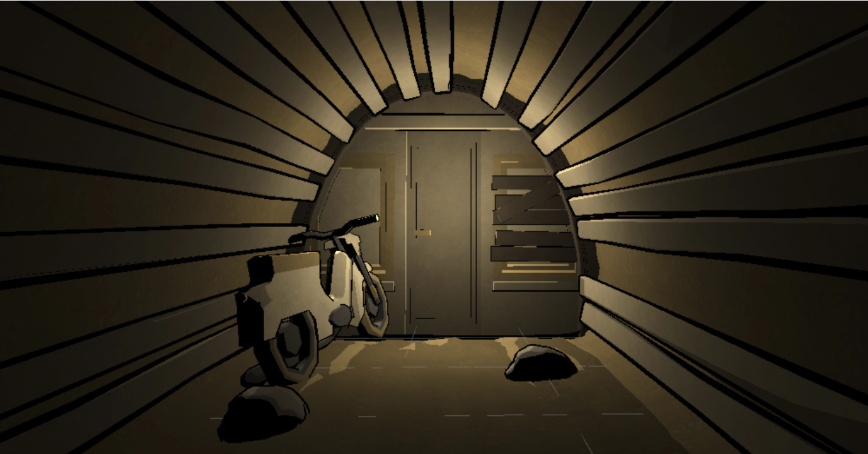
A draft image of the opening scene in Those from Below | |
Ben Wahl, Causa Creations What inspired you to pursue this work?
Causa Creations has focused on social impact games since we were founded. With Those from Below, we want to address complex topics including migration, contract work, and unsafe working conditions through the lens of the 1956 mining disaster in Marcinelle, Belgium.
How do you approach making a game from such sensitive material?
It is crucial for us to be as sensitive, respectful, and factual as possible, while also balancing accuracy and artistic freedom to create experiences that are enjoyable and informative at the same time. We partner with specialists and dedicate extensive research phases to every project.
What can this project do for the game development industry?
Our goal is to develop games that are not solely educational but are also entertaining in their own right. We want to bring a playfulness to the museum setting that allows a perspective players do not usually get while visiting museums. At the same time, we aim to inspire other developers to add educational content to their games without compromising on their entertaining qualities, to counter the perception that educational games must be dry, serious, or underdeveloped as sources of entertainment.
What games are inspiring your work? Those from Below draws inspiration from similar VR experiences such as Goliath, We Live Here, and our own work on Holy Fire. We also knew that we wanted to have a simple art style to encourage players to personally identify with the events and people portrayed in the game. To bring these ideas together, we studied historical photographs and art depicting the mines, the work of contemporary artists from 1950s Belgium, and the graphic novel Pays Noir, which was co-created by Le Bois Du Cazier. | |
Emilie Divoy, Le Bois Du Cazier
Why is digital media important to your work?
Digital media allows us to diversify our work, drawing a wider, intergenerational audience. Visitors engage with digital work much more actively compared to traditional texts, panels, and photographs. Taking full advantage of digital technologies presents some challenges, though: we must be transparent about our use of new media and stay up to date with new technological developments, while also remaining authentic to our source material. How do you navigate providing such sensitive material to a game developer?
Early in the project, we hosted our partners from Causa Creations, who came to visit the museum to view our historical collections. These activities helped us to identify some of the challenges that would arise when developing a game covering these subjects and the site. We granted Causa Creations access to documents and archives that would familiarize them with the historical context.
What impact will this game have for your organisation?
We hope to draw a new audience by creating an immersive environment which engages the curiosity of the players. We also hope that the use of VR technologies will engage our audience much more deeply in the content we cover, connecting with their emotions and enabling them to interact with new objects. Overall, we hope this game will make visits to the museum more active, interactive, and entertaining.
What can these types of partnerships do for people working in museums?
It is a great opportunity to learn about the realities of other museums, their themes, and how they communicate their content. Being introduced to these emerging and immersive forms of technology, gameplay, and storytelling are huge benefits from the project, teaching us innovative techniques to modernize and share our messages with a wider audience. | | | |
To read the full interview, head to our website at the link below. | |
| |
Those from Below Prototypes | |
Below are some prototypes from the Those from Below production team. Please note that these are works in progress which will change throughout the development process. | |
| |
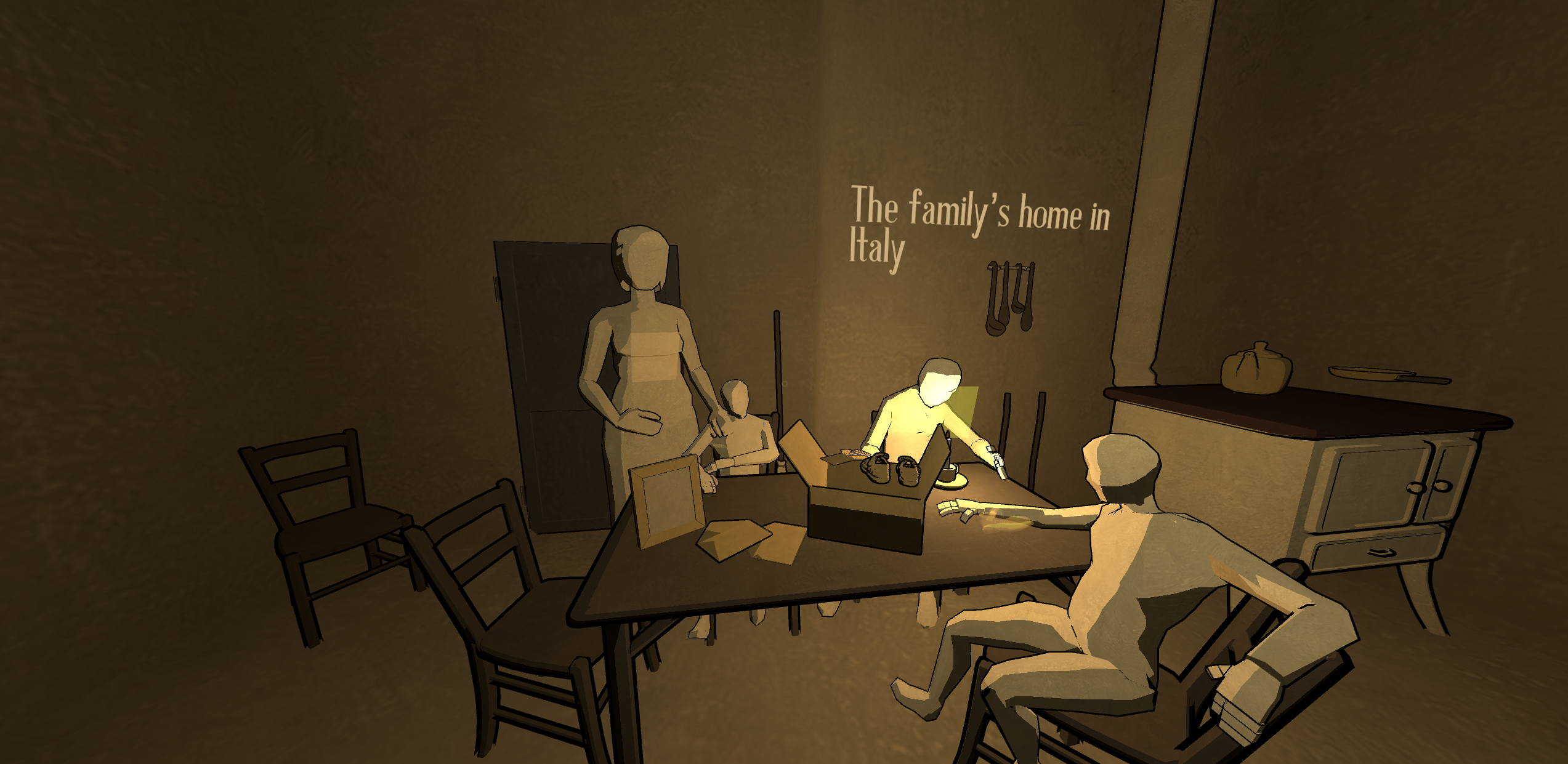
Draft images of scenes reflecting the miner's longing for his family | |
| |
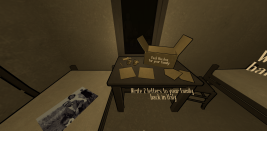
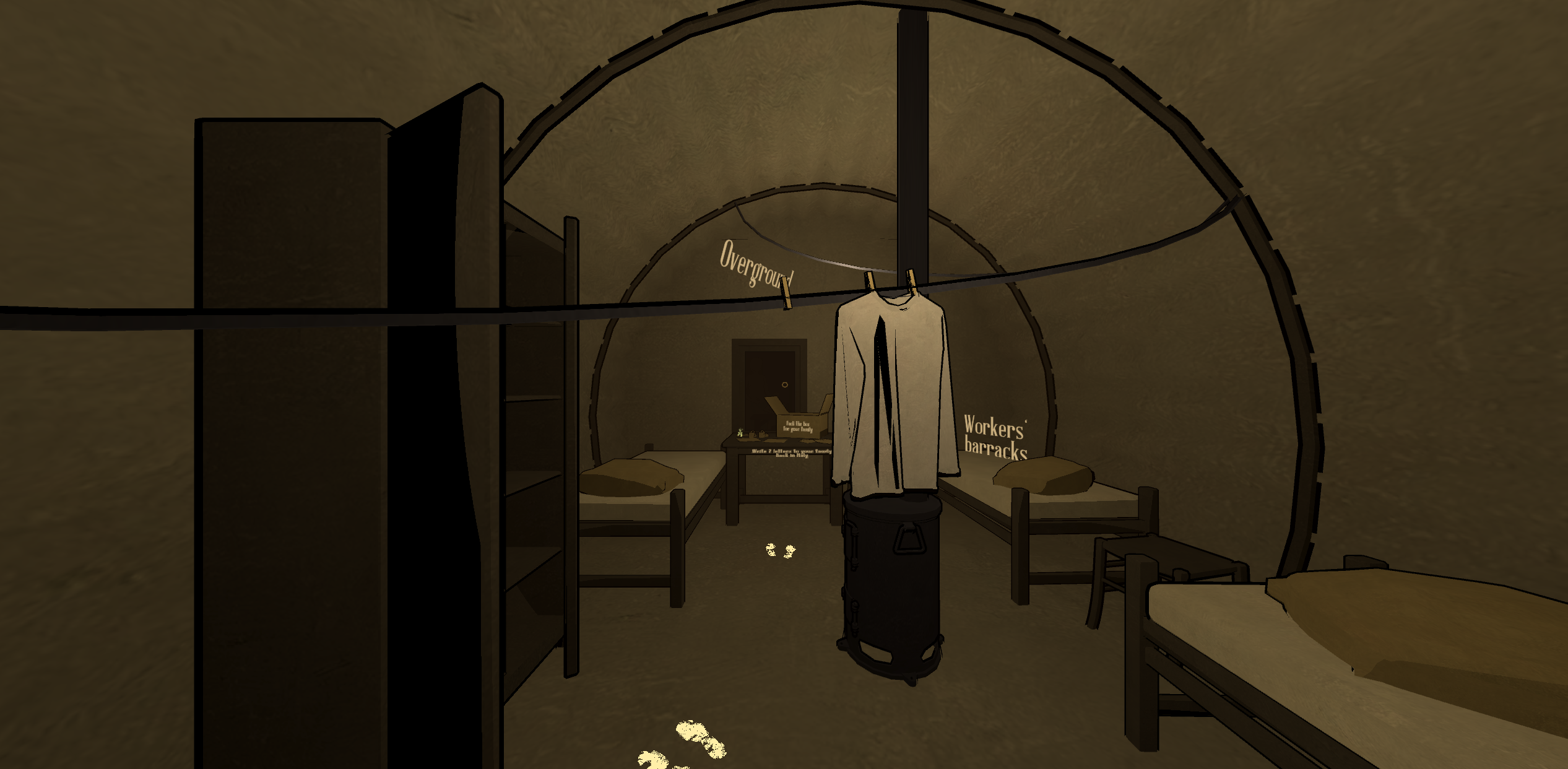
A draft image of the miner's barracks, which players can explore | |
Learn more about Those from Below | |
Click the link below for a preliminary Game Design Document outlining the storytelling and game dynamics of Those from Below. | | | |
| |
| |
| |
This year’s International Museum Day theme was “Museums for Education and Research.” This aligns with the MEMENTOES mission, reflecting the role of museums not only as sites of culture, but also as forces for education which can play an important role in research and innovation. To mark the occasion, two of our museum partners, the War Childhood Museum and Gulag.cz, provided the project with their insights on how to create games for remembrance and social change. | |
| |
| |
In January 2024 FORTH presented their paper “Video Games as a Transitional Justice Policy: Overview, Concepts, and Research Directions” at the Ethical Games Conference. This online event focused on the exploration of ethical issues in video game design. The paper’s main focus is the significant role of memorial museums, an increasingly popular type of museum focused on preserving the memories and stories of people who have experienced atrocities. By recording these perspectives, these museums aim to create empathy and facilitate transitional justice – learn more about the role of these museums in transitional justice initiatives at the blog below. | |
| |
| |
| |
| |
| |
This project has received funding from the European Research Executive Agency under grant agreement No 101061496. | | | |
| |
Funded by the European Union. Views and opinions expressed are however those of the author(s) only and do not necessarily reflect those of the European Union of the European Research Executive Agency. Neither the European Union nor the granting authority can be held responsible for them.
| |
You are receiving this newsletter because you have expressed interest in the project (informed consent, GDPR Art. 6.1.a) or because you work in a field related to the topics covered by the project (legitimate interest, GDPR Art. 6.1.f). If you no longer want to receive these emails, update your preferences or unsubscribe from this mailing list.
| |
| |